Journal Entry
Finished frame first
Why the finished image leads, and why everything around it should remain in support.
Why the finished image leads
Most mixed-media sites ask the viewer to begin with motion, process, or behind-the-scenes material. This work asks for the image first.
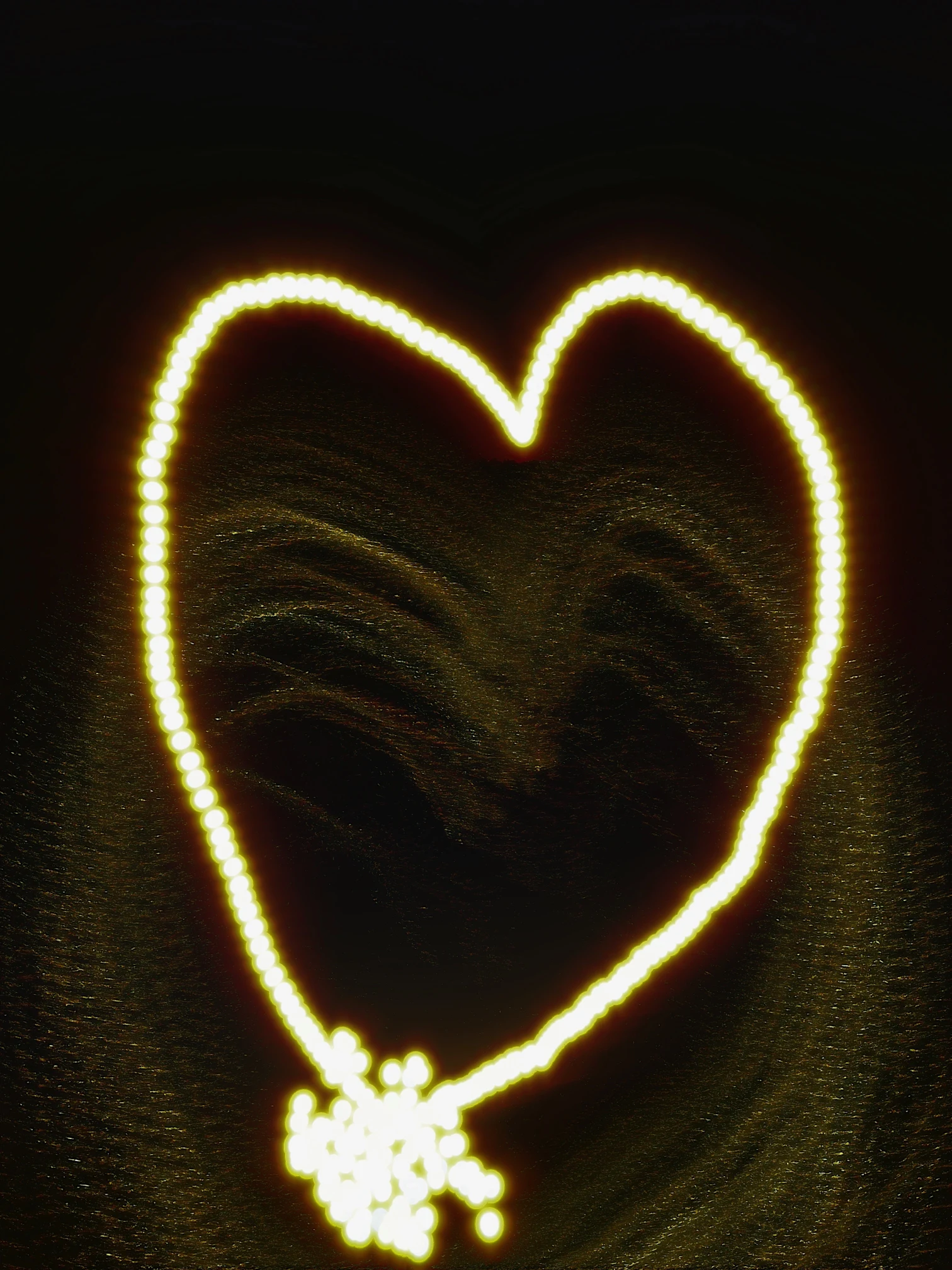
The finished image is where the photograph settles and where its emotional weight is held. A supporting clip, opening frame, or motion trace can add context, but it should never outrank the image itself.
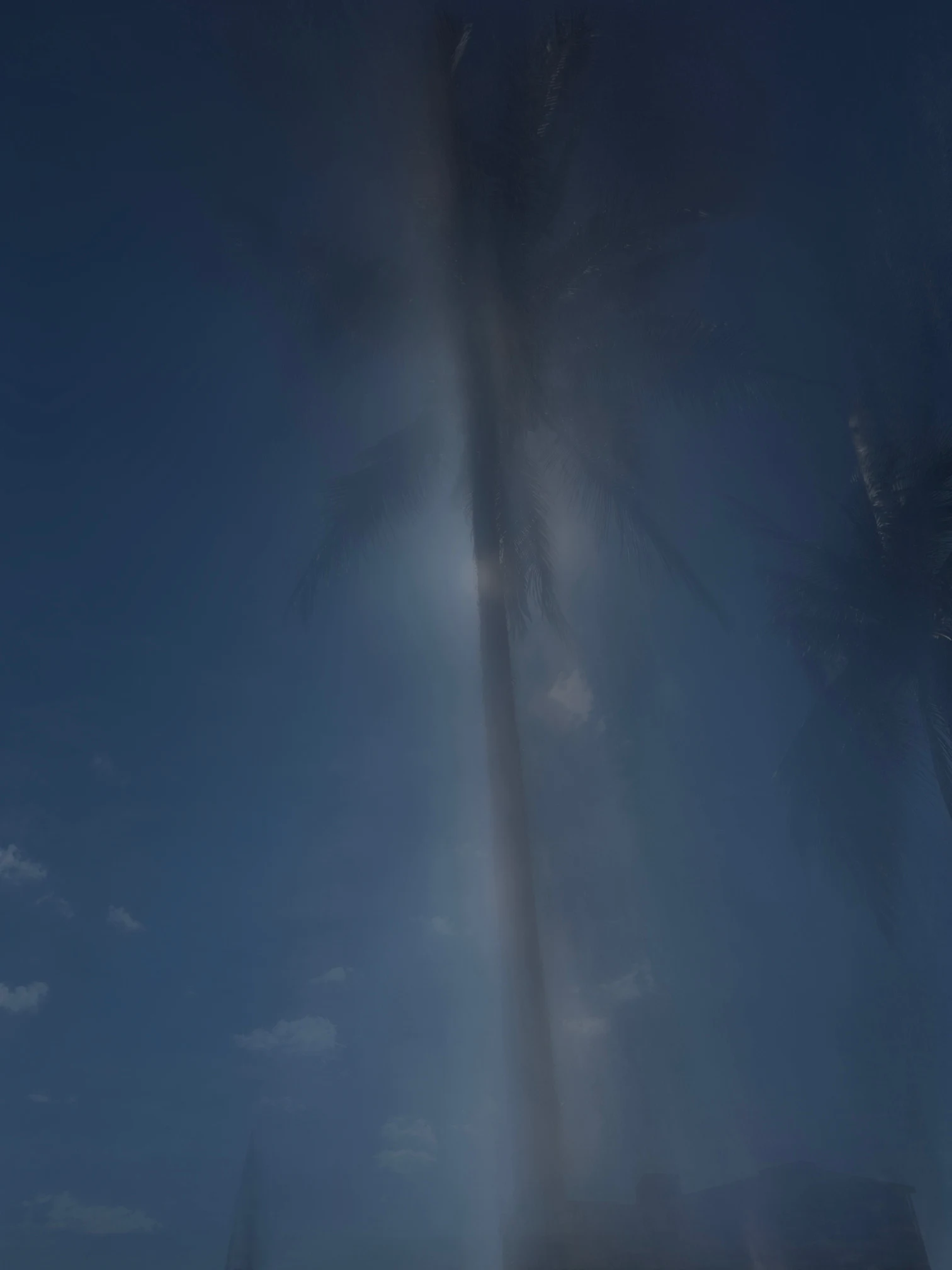
That matters especially in work shaped by South Florida light. Sunrise, venue haze, reflection, waterfront shimmer, and afterimage can easily become spectacle. Letting the final image lead keeps the work authored, selective, and held.

The first frame can orient the viewer, but it does not replace the finished image.
Example
How a work opens
A piece like Ormond Awakening can include an opening frame and a motion source, but those elements only matter if they make the final image more legible as an arrival.
- image first
- motion second
- process only when needed
Field Condition
Light is the subject, not decoration.
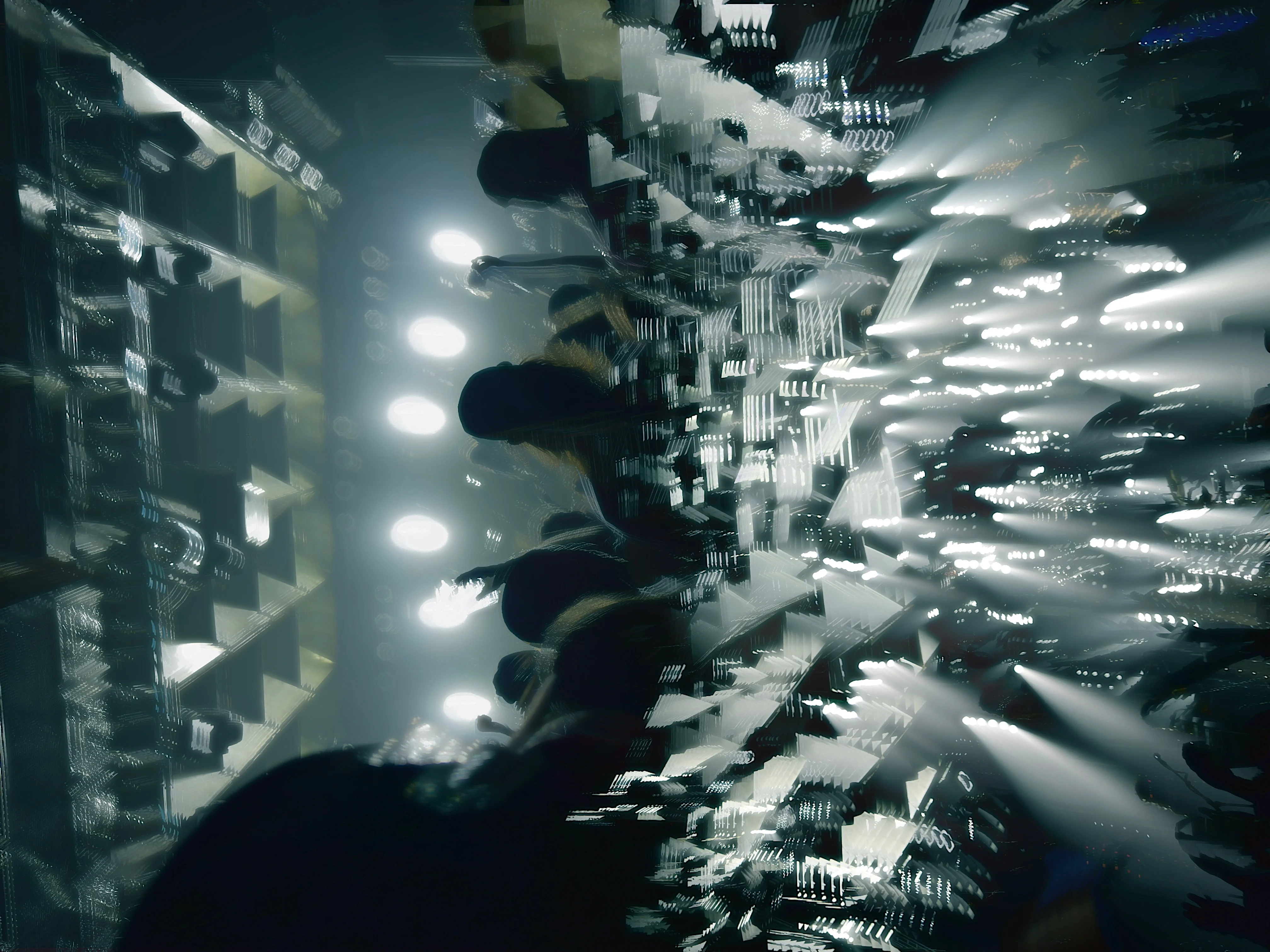
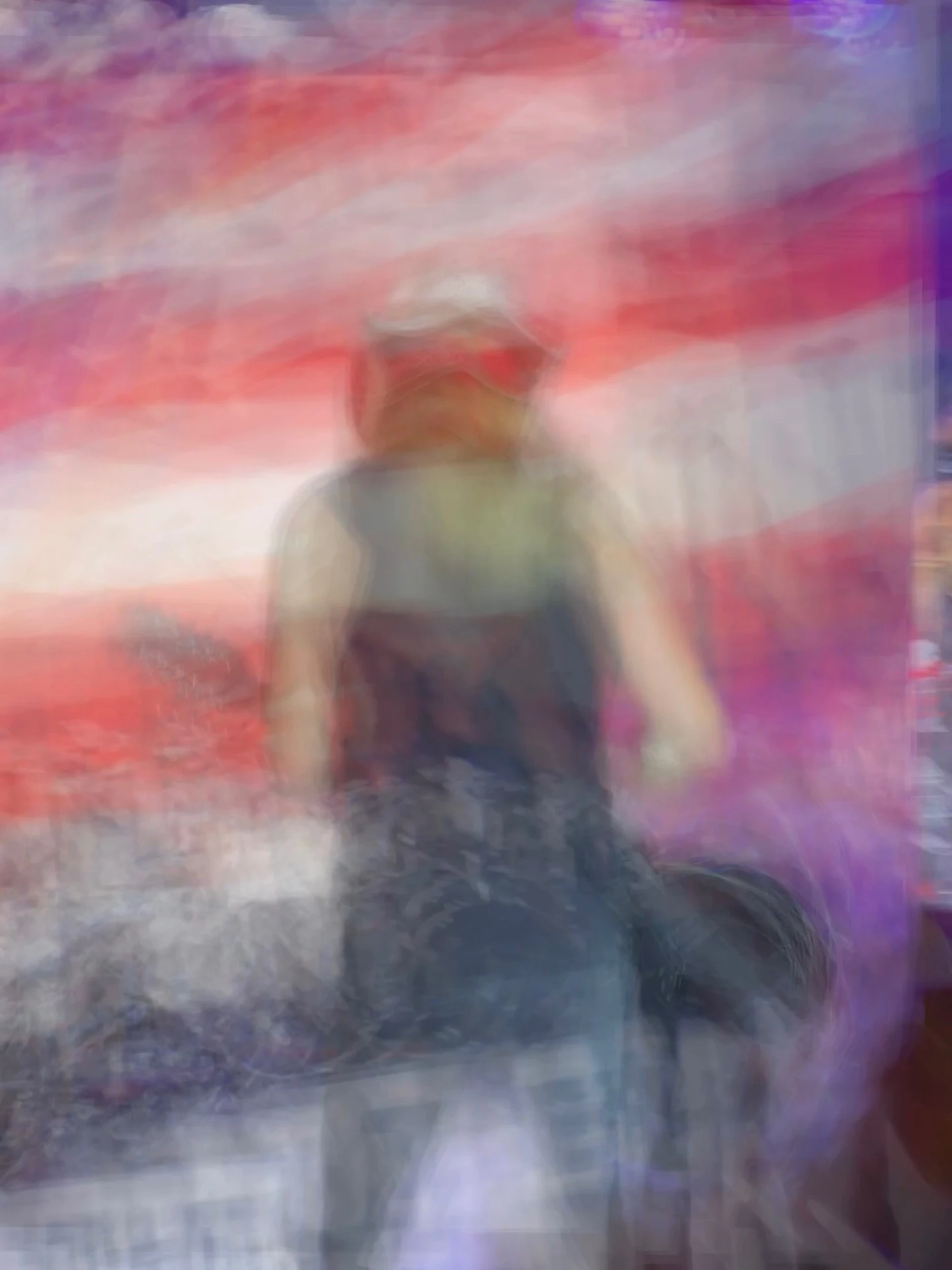
South Florida light is not scenery in this work. It is the condition that changes the image and pushes it toward glow, drift, instability, and presence.
- coastal glare
- venue haze
- reflection and afterimage
Writing should deepen the image, not compete with it.— Todd Wax
Return to the journal, or go back into the work.
The journal stays as a small editorial layer around the work.